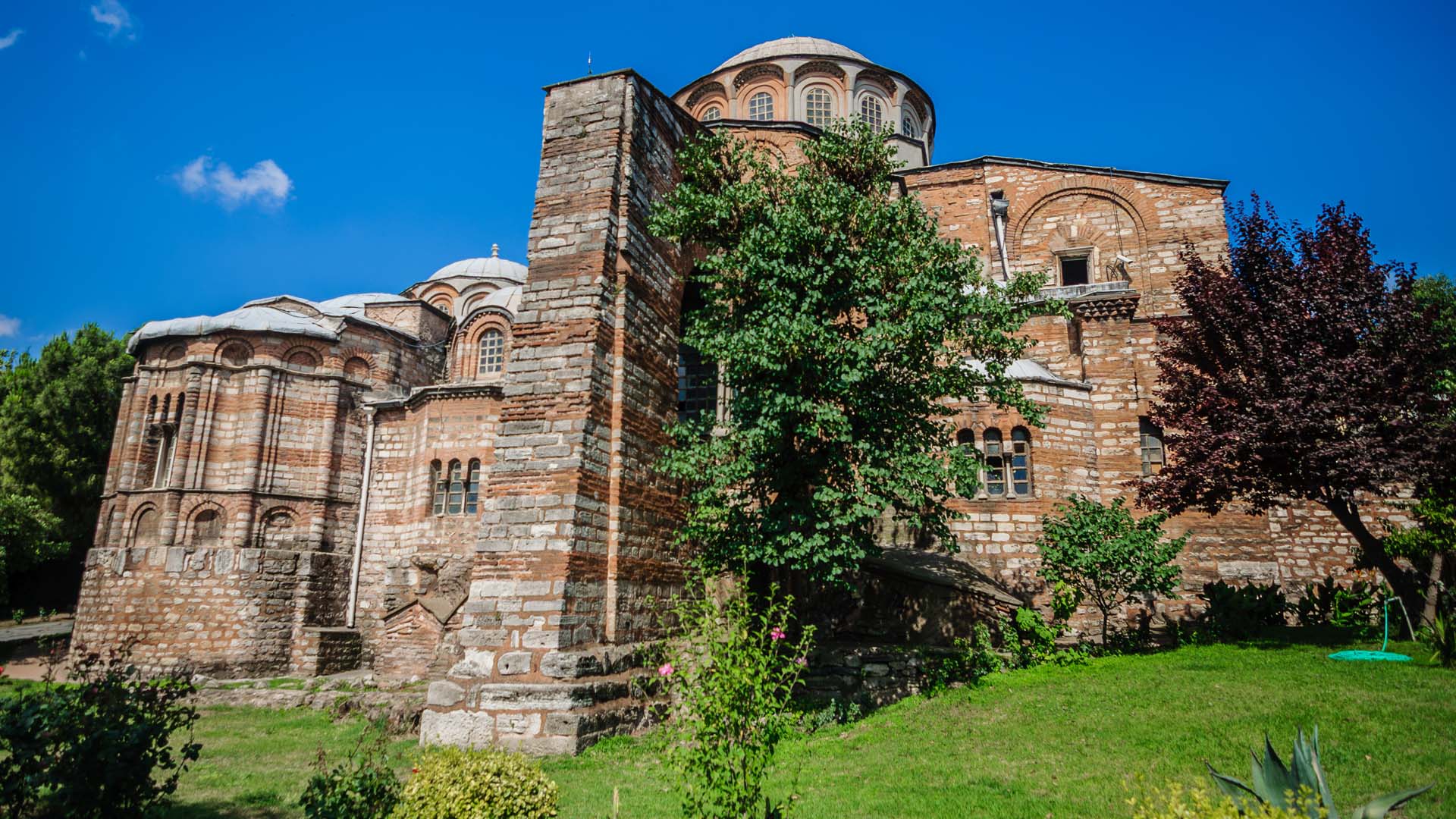
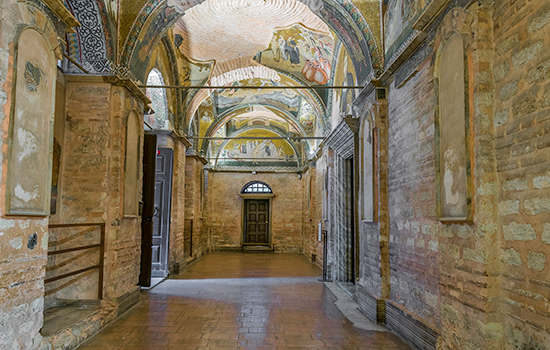
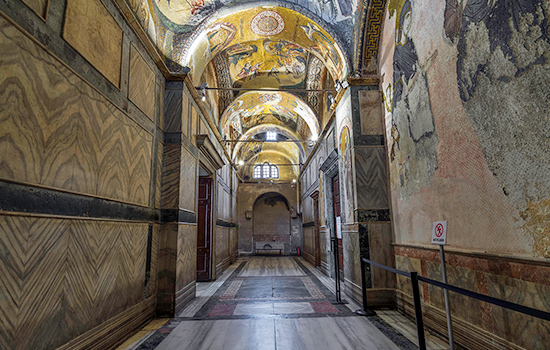
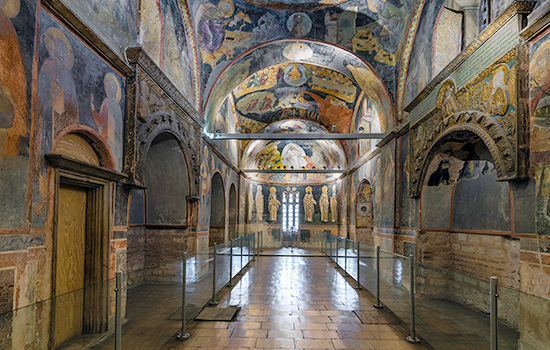
Chora Church is considered to be one of the most beautiful examples of a Byzantine Church
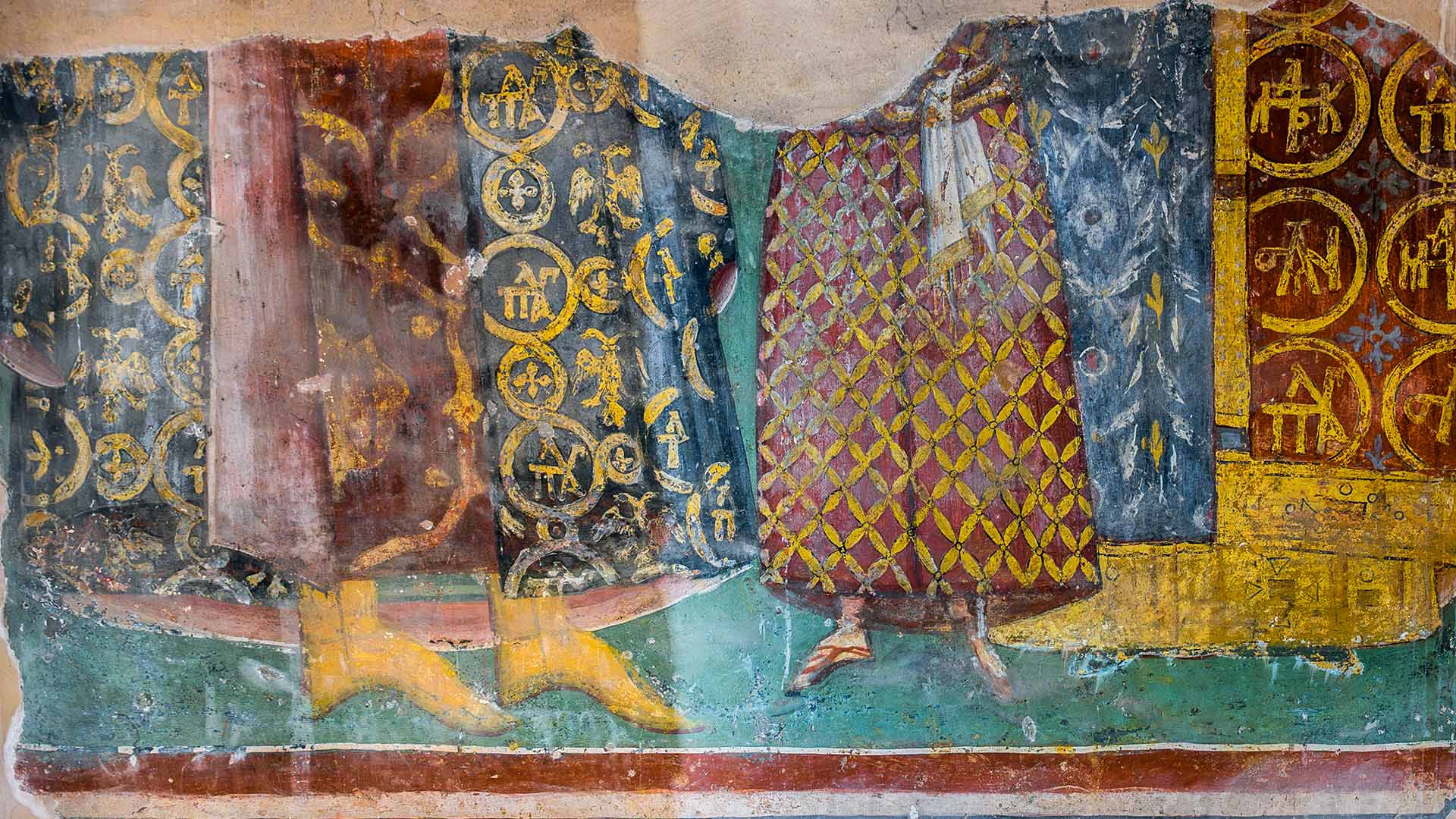
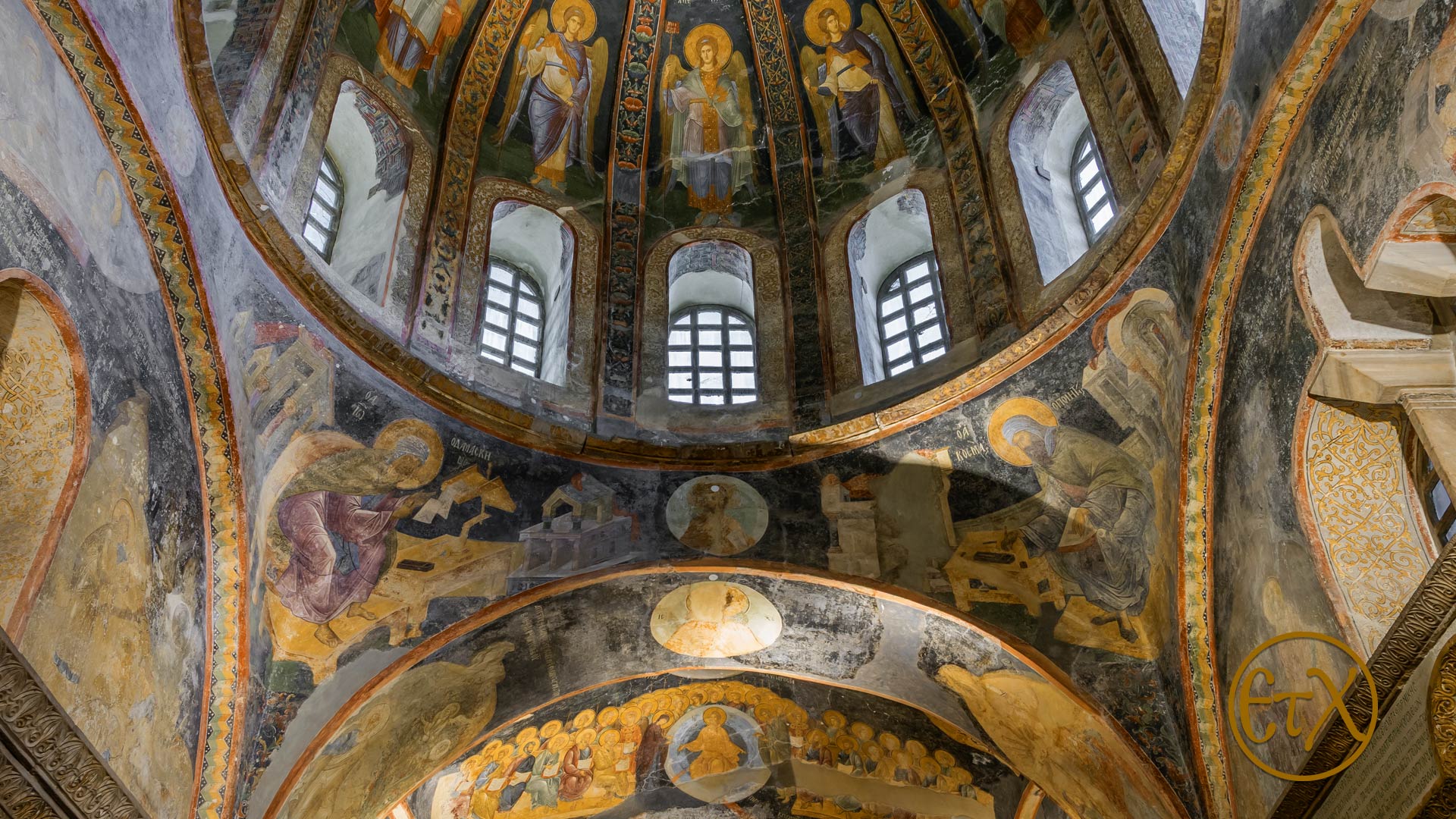
The Chora Church—also known as the Church of the Holy Saviour in Chora, Kariye Mosque, or Kariye Museum—is one of the most extraordinary masterpieces of Byzantine art and architecture. Located in Istanbul’s historic Edirnekapı district, it is celebrated for its 14th‑century mosaics and frescoes, considered among the finest surviving works of the Palaiologan Renaissance. From the Cycle of Infancy of Christ in the Outer Narthex to the iconic Anastasis fresco in the Parekklesion, every surface reveals a sophisticated visual narrative of theology, imperial patronage, and artistic innovation.
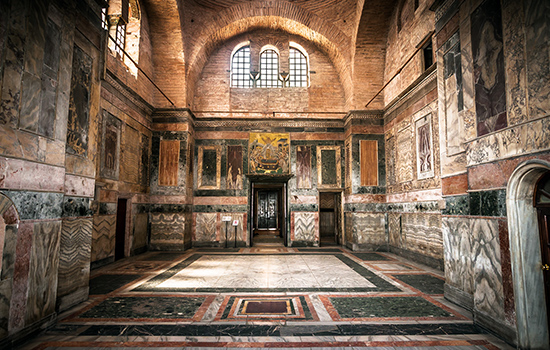
Chora’s architectural layout—including the Outer Narthex, Inner Narthex, Naos, and the Parekklesion (Greek: Παρεκκλήσιον), the funerary chapel, creates a journey through themes of incarnation, redemption, and eternal life. Its quincunx plan, domed ceilings, and marble revetments reflect the height of Byzantine architectural refinement
The Church of Chora book is the most interactive museum guide describing some of the oldest and finest surviving Byzantine mosaics and frescoes in the Chora church.
Chora Church (Kariye) – Essential Facts
- Origins: Initially a 4th-century necropolis for the relics of Saint Babylas. The monastery was formally constructed in 536 AD by Emperor Justinian I. It retained the name "Chora" (meaning "Country" or "Land") even after the city walls were extended in 413–414.
- Architectural development: Experienced multiple rebuilds due to earthquakes and neglect. Key restorations were led by Maria Doukena (1077–1081) and her grandson Isaac Komnenos (1120), before its final 14th-century transformation.
- Primary patron: Theodore Metochites (Greek: Θεόδωρος Μετοχίτης), the Controller of the Treasury, undertook a near-total reconstruction between 1316–1321. He dedicated the monastery to the Virgin Mary, though the Naos was dedicated to Christ.
- Artistic significance: Represents the second phase of the Palaiologan Renaissance. It is famous for mosaics depicting Christ as the "Land of the Living" and Mary as the "Container of the Uncontainable"—a symbolic play on the name "Chora."
- Ottoman transformation: Converted into a mosque in 1511 by Atik Ali Paşa. A mihrab was added, the belfry was removed, and a minaret was built, while the Christian mosaics and frescoes were covered with plaster.
- Modern conservation: Restored starting in 1948 by Thomas Whittemore and Paul A. Underwood of the Byzantine Institute of America and Dumbarton Oaks. This 12-year project uncovered the original Byzantine artwork.
- Museum era: Reopened to the public as the Kariye Museum in 1958, at which point it officially ceased to function as a mosque to serve as a cultural monument.
- Recent status: Following a 2019 court order and a 2020 decree, it was reclassified as a mosque. After a four-year restoration, it officially reopened for worship and visitors on May 6, 2024.
Timeline of the Chora Church (Kariye Mosque)
- Early 4th Century: The site serves as a necropolis for the burial of the relics of Saint Babylas and his disciple.
- 413–414: Emperor Theodosius II extends the city walls. Though now inside the city, the site retains the name "Chora" (Country/Land).
- 536: Emperor Justinian: Officially constructs the Chora monastery, though it eventually falls into disrepair due to earthquakes and neglect.
- 1077–1081: Maria Doukena (mother-in-law of Alexios I Komnenos) reconstructs the church after it had fallen into ruins.
- 1120: Isaac Komnenos (son of Alexios I) carries out a secondary reconstruction of the structure.
- 1204–1261: During the Latin Empire, the monastery suffers damage; Patriarch Athanasios later reports the building has become "uninhabitable."
- 1316–1321: Theodore Metochites (Greek: Θεόδωρος Μετοχίτης), Controller of the Treasury, nearly rebuilds the monastery from the ground up, commissioning the famous Palaiologan Renaissance mosaics and frescoes.
- 1511: Following the Ottoman conquest, Atik Ali Paşa transforms the monastery into a mosque, covering the Byzantine imagery with plaster.
- 1948: Thomas Whittemore and Paul A. Underwood (Byzantine Institute of America/Dumbarton Oaks) begin a decade-long restoration to uncover the artwork.
- 1958: The building officially ceases to function as a mosque and opens to the public as the Kariye Museum.
- November 11, 2019: The Turkish Council of State orders the building’s reconversion into a mosque.
- August 21, 2020: A presidential decree formally changes the status from museum to mosque.
- May 6, 2024: After a four-year restoration, the Chora Mosque officially reopens for worship and visitors.
Theodoros Metochites: Scholar, Patron, Visionary
Theodoros Metochites 1270–1332 (Greek: Θεόδωρος Μετοχίτης), one of Byzantium’s greatest intellectuals, oversaw the Chora’s transformation between 1316 and 1321. He rebuilt the naos dome, added the narthexes and parekklesion, and commissioned the mosaics and frescoes that define the monument today. His monograms still appear on the marble revetments and the former belfry.
A philosopher, astronomer, theologian, and statesman, Metochites authored more than 120 essays and commentaries. After political exile, he returned to Constantinople, took monastic vows as Theoleptos, and was buried in the Chora’s parekklesion.
Why the Chora Church Is World‑Famous
Chora is celebrated for its Palaiologan Renaissance mosaics and frescoes—considered the pinnacle of Byzantine visual theology. Highlights include:
- The Genealogy of Christ: Intricate mosaics in the northern and southern domes of the Inner Narthex.
- The Life of the Virgin cycle: A detailed narrative sequence decorating the Inner Narthex.
- The Deesis mosaic: A monumental depiction of Christ and the Virgin Mary located in the Inner Narthex.
- The Anastasis (Resurrection) fresco: The iconic masterpiece in the Parekklesion apse, depicting Christ pulling Adam and Eve from their tombs.
- The Dormition of the Virgin: Located in the Naos, showing the death of Mary surrounded by the Apostles.
How to Visit the Chora Church
Located in Edirnekapı, the Chora is one of Istanbul’s top cultural attractions. Visitors can explore the Narthexes, Naos, and Parekklesion, each offering unique mosaics and frescoes.
- Entrance Fee: €20 for foreign visitors (as of 2024).
- Opening & Closing Times: 09:00 - 18:00.
- Dress Code: Modest clothing is required; headscarves are mandatory for women to enter prayer areas.
- Prayer Times: Access to the Naos is restricted during five-daily prayers and Friday noon service.
- Photography: Allowed without flash.
The Church of Chora Book is an independent educational project and is not affiliated with the Chora Museum (Kariye Müzesi), the Chora Mosque (Kariye Camii), the Turkish government, or any related institutions. Created by Elias Sarantopoulos, this project aims to help visitors, locals, and international tourists explore the rich history, Byzantine art, and cultural heritage of the Church of Chora through an immersive and interactive experience.