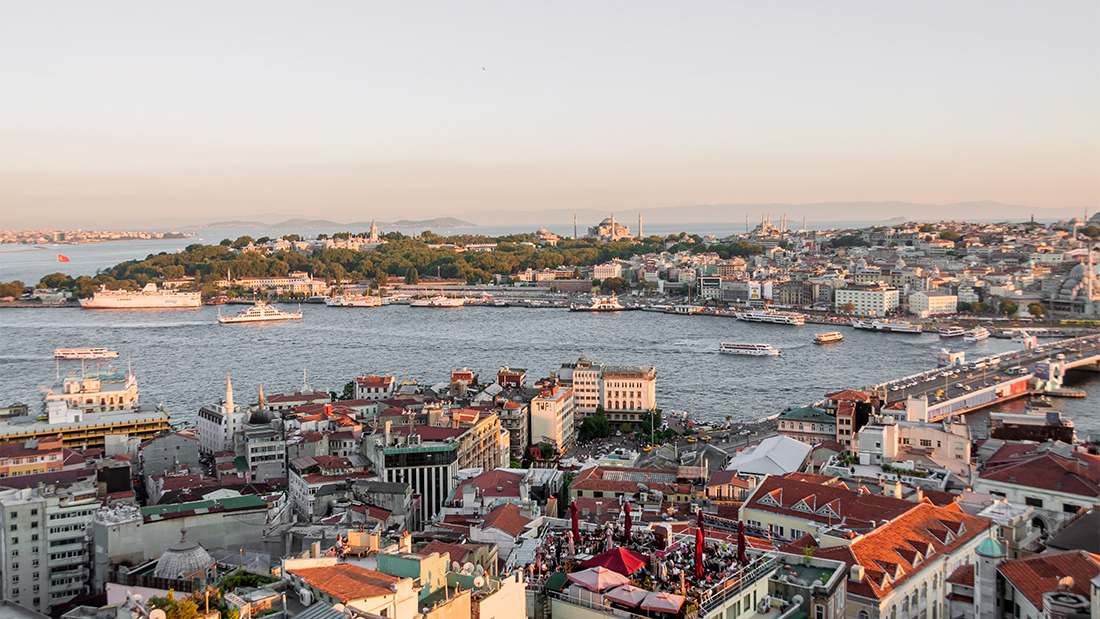
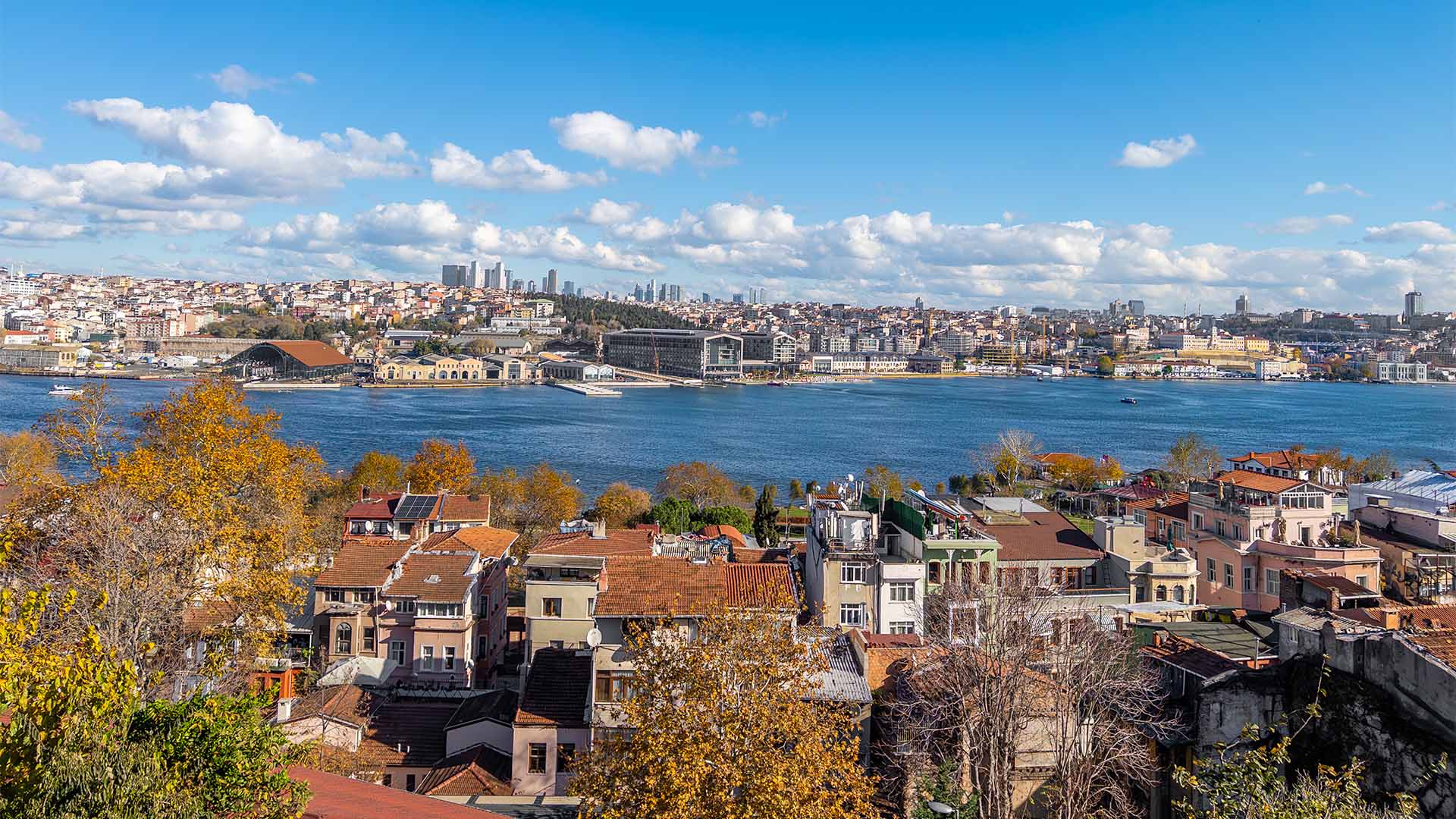
As a designated UNESCO World Heritage site, the Istanbul historical sites found on the peninsula stand as a monumental bridge between the Balkans and Anatolia. This guide explores the architectural evolution of this unique landscape, tracing its journey from its ancient origins as Byzantium to its imperial glory as Constantinople. By examining the city's layered history, we uncover how centuries of Roman, Byzantine, and Ottoman rule created a dense urban fabric where 6th-century cathedrals and 16th-century imperial mosques coexist within the heart of the modern city.
Why the Names Matter
The city’s etymology reveals its soul. While "Constantinople" honored Constantine the Great, the name "İstanbul" is a linguistic relic of the city's Greek inhabitants. Derived from the Medieval Greek phrase "εἰς τὴν Πόλιν" (is tin Polin), it literally translates to "to the City," proving that for centuries, Istanbul was the only city that mattered in the Mediterranean world.
1,600 Years of Imperial Mastery
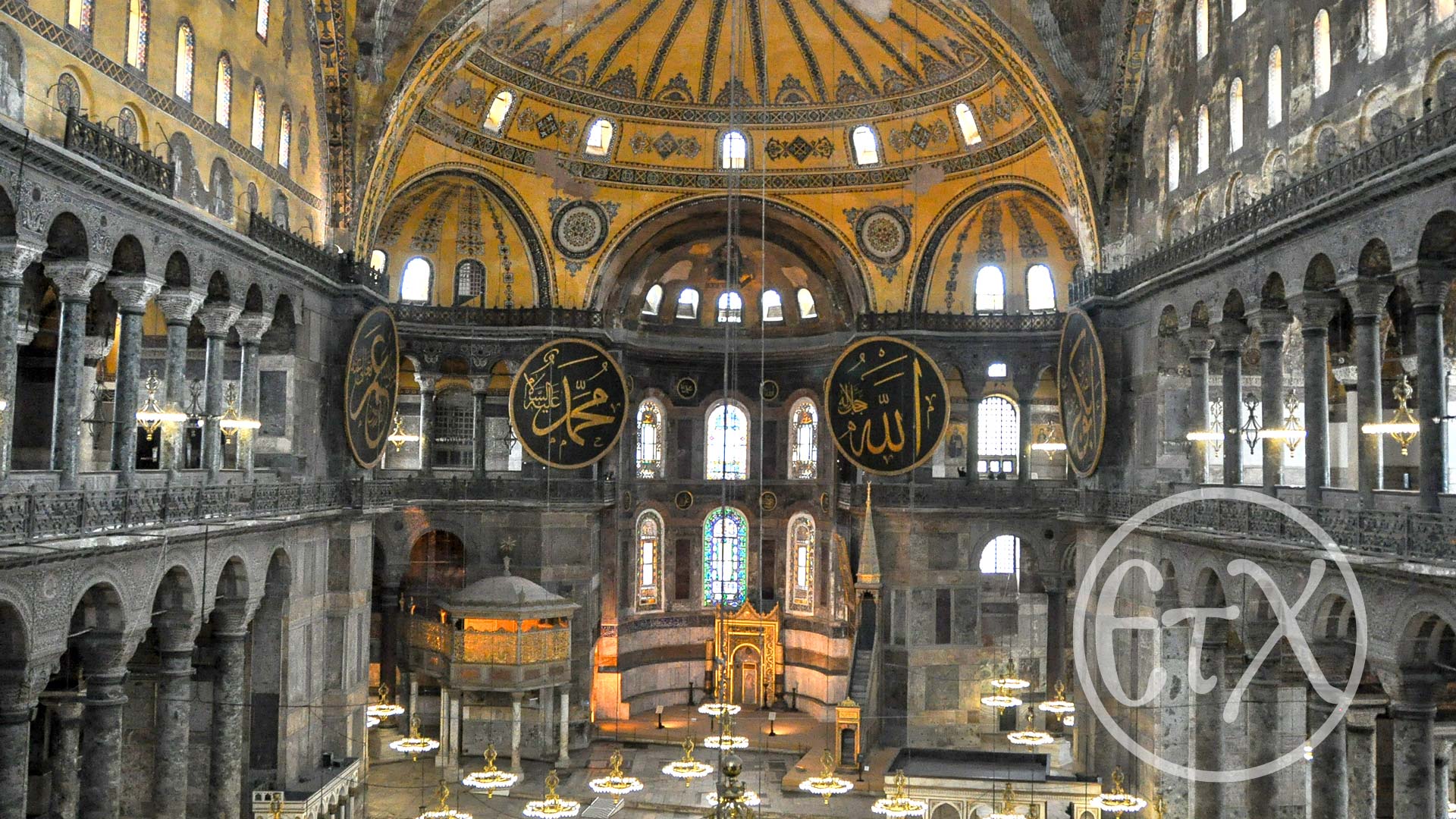
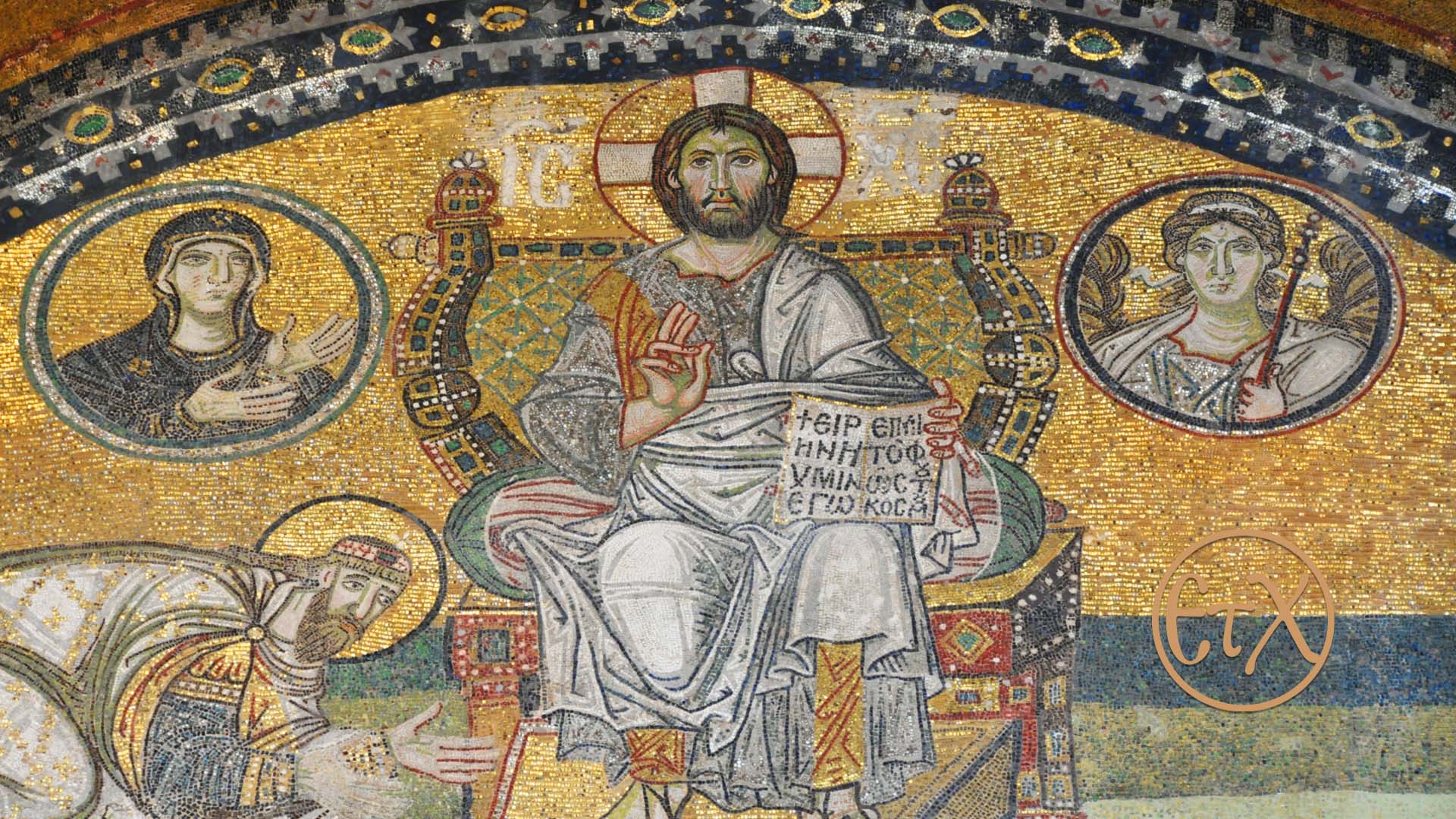
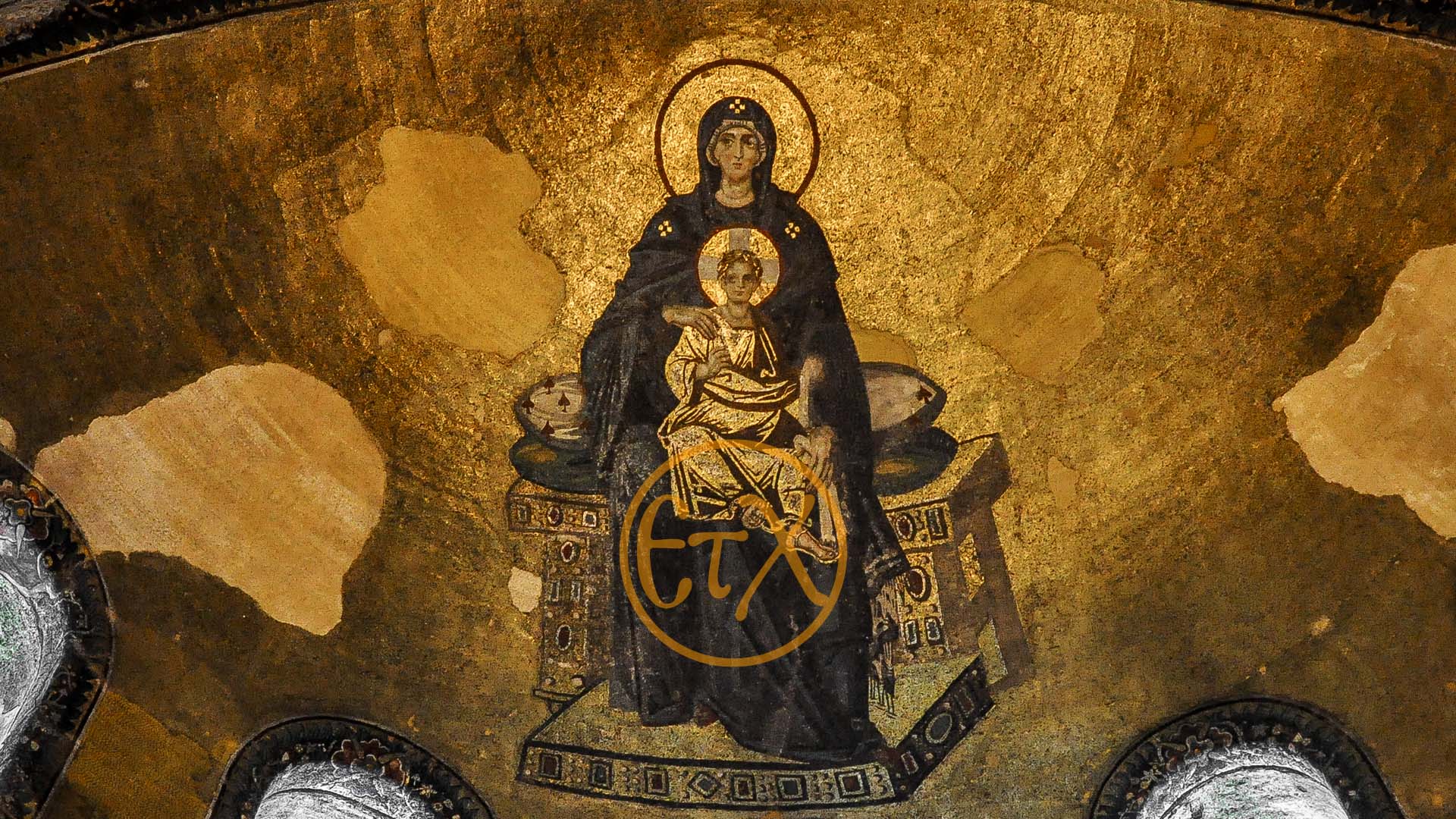
For nearly 1.6 millennia, this peninsula served as the seat of the Roman, Byzantine, Latin, and Ottoman Empires. This unique continuity created an urban fabric unlike any other, where 6th-century Christian cathedrals were not replaced, but repurposed into the silhouettes of the Ottoman Caliphate.
Essential Landmarks of the Old City
To truly understand this "City of the World's Desire," we recommend focusing on the core sites protected by the ancient Theodosian Walls:
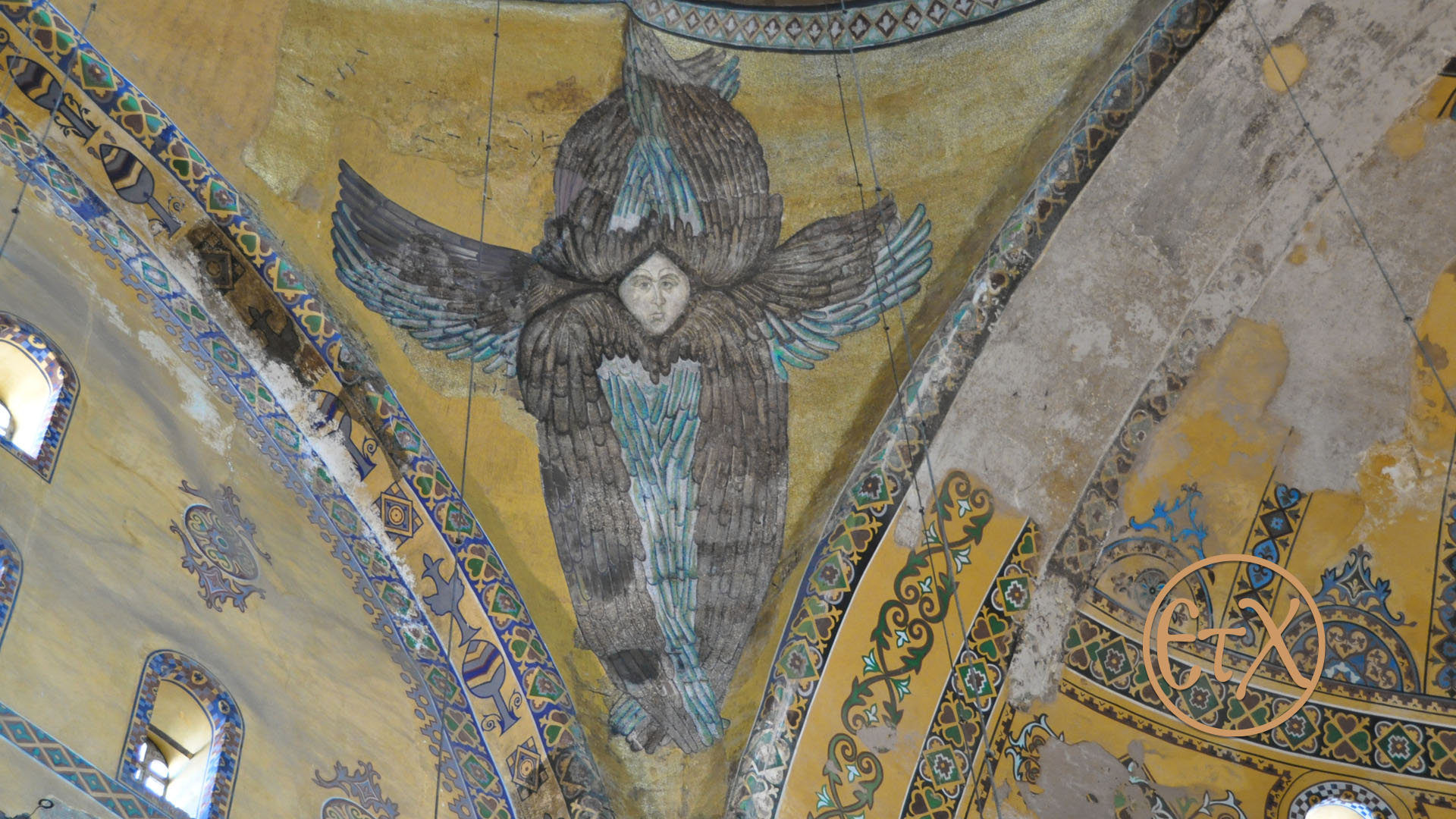
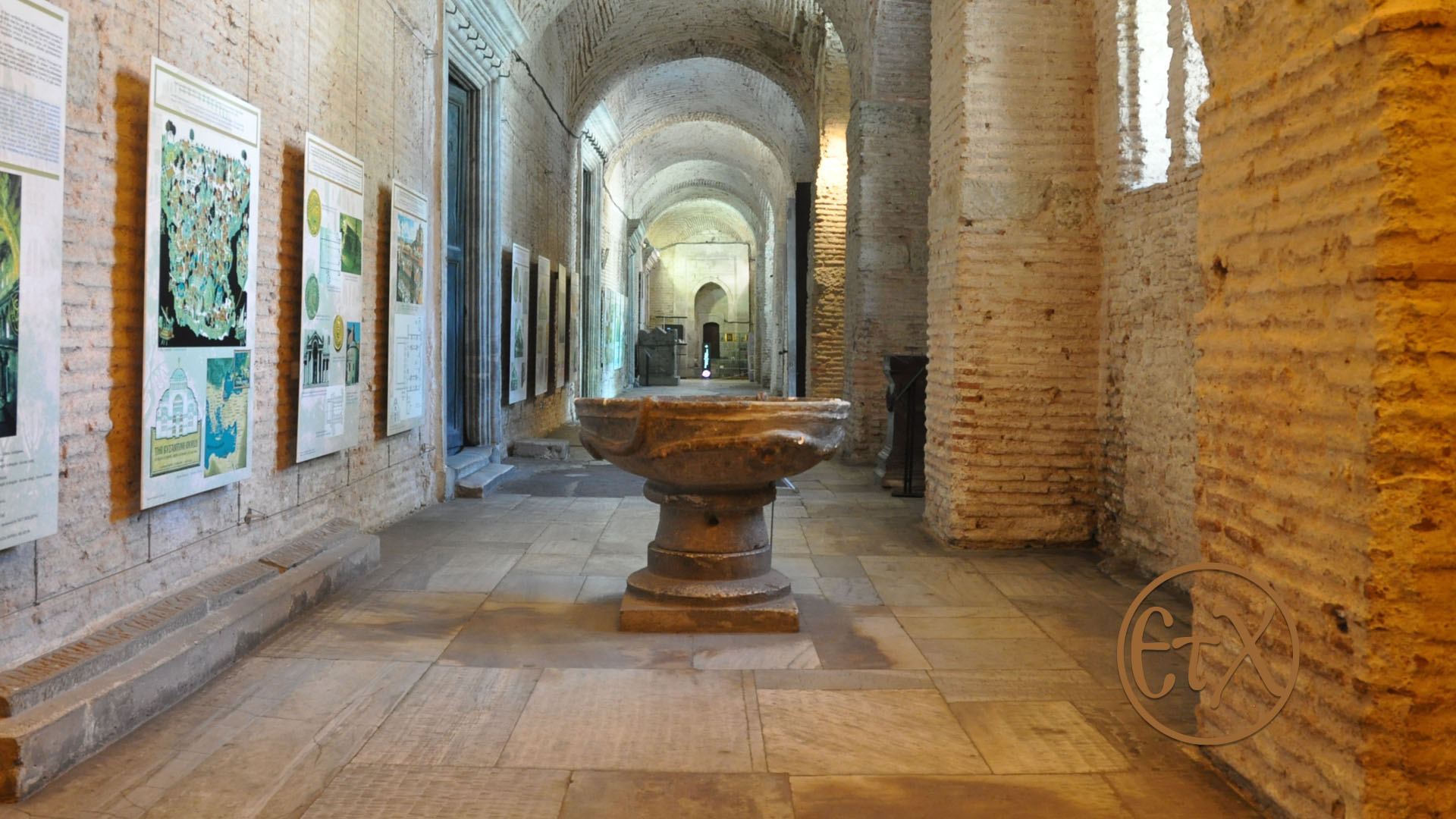
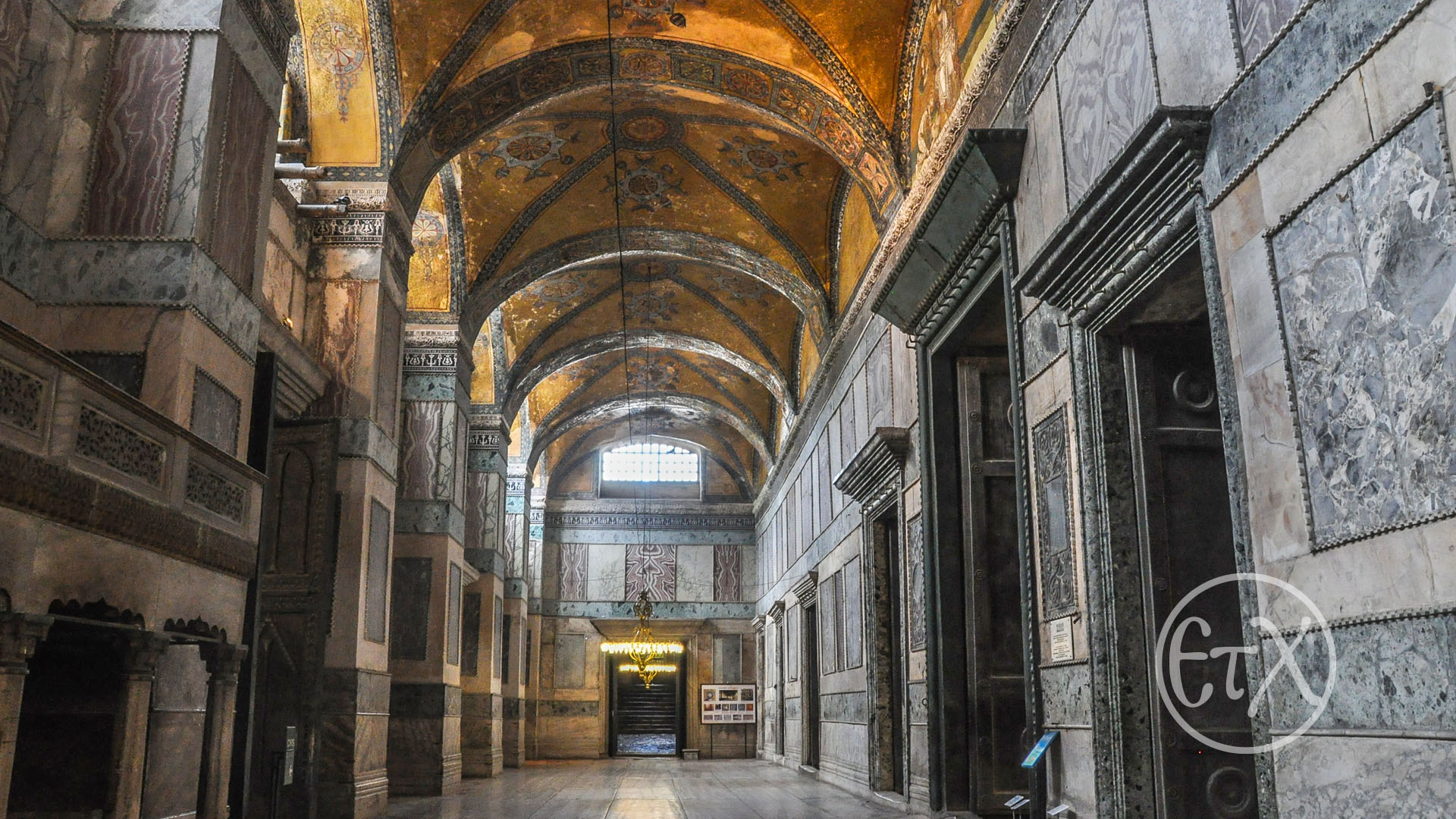
- Hagia Sophia: The pinnacle of Byzantine engineering.
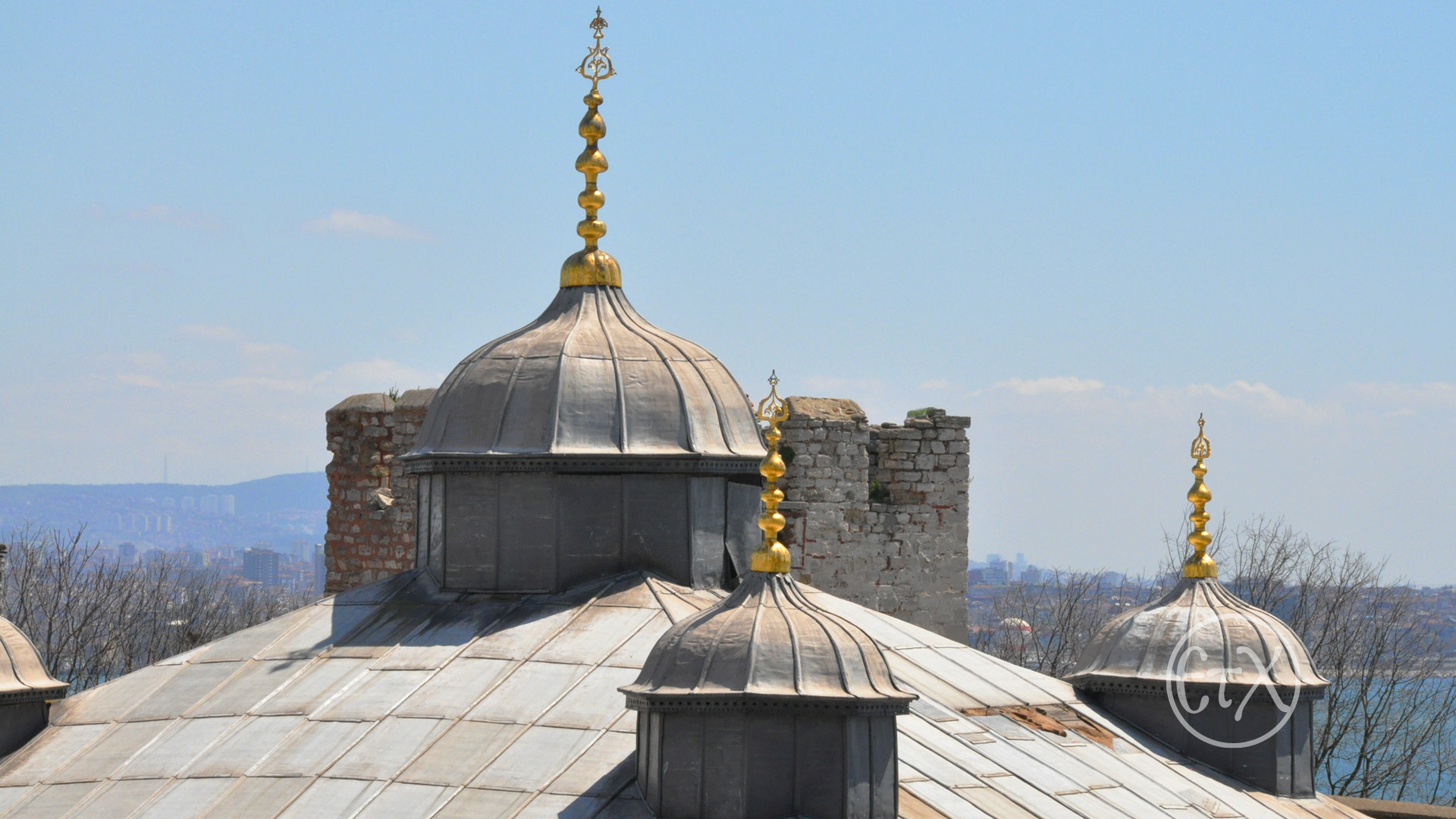
- Topkapı Palace: The sprawling administrative heart of the Ottoman Empire.
- The Basilica Cistern: A subterranean wonder of Roman water management.
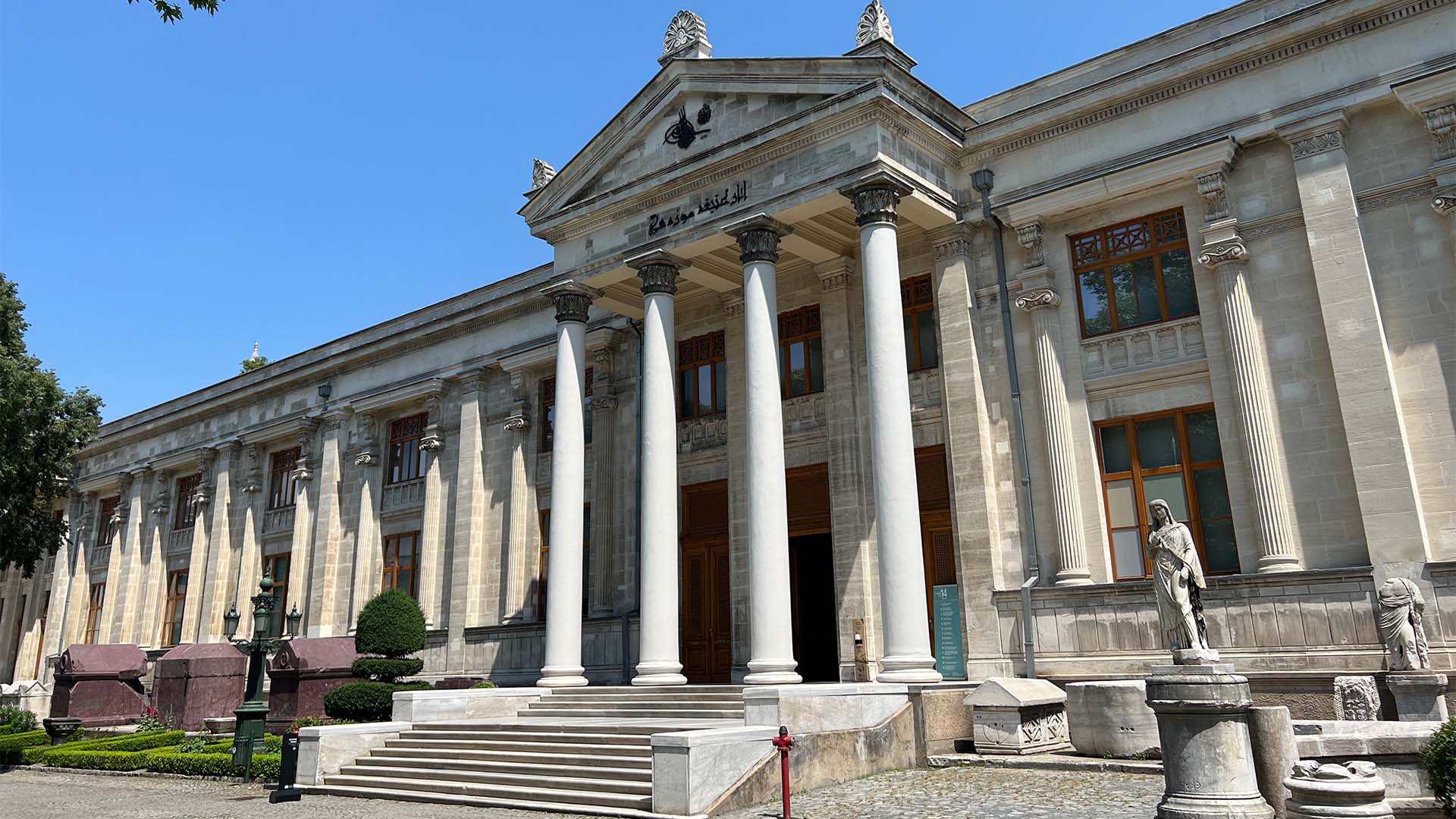
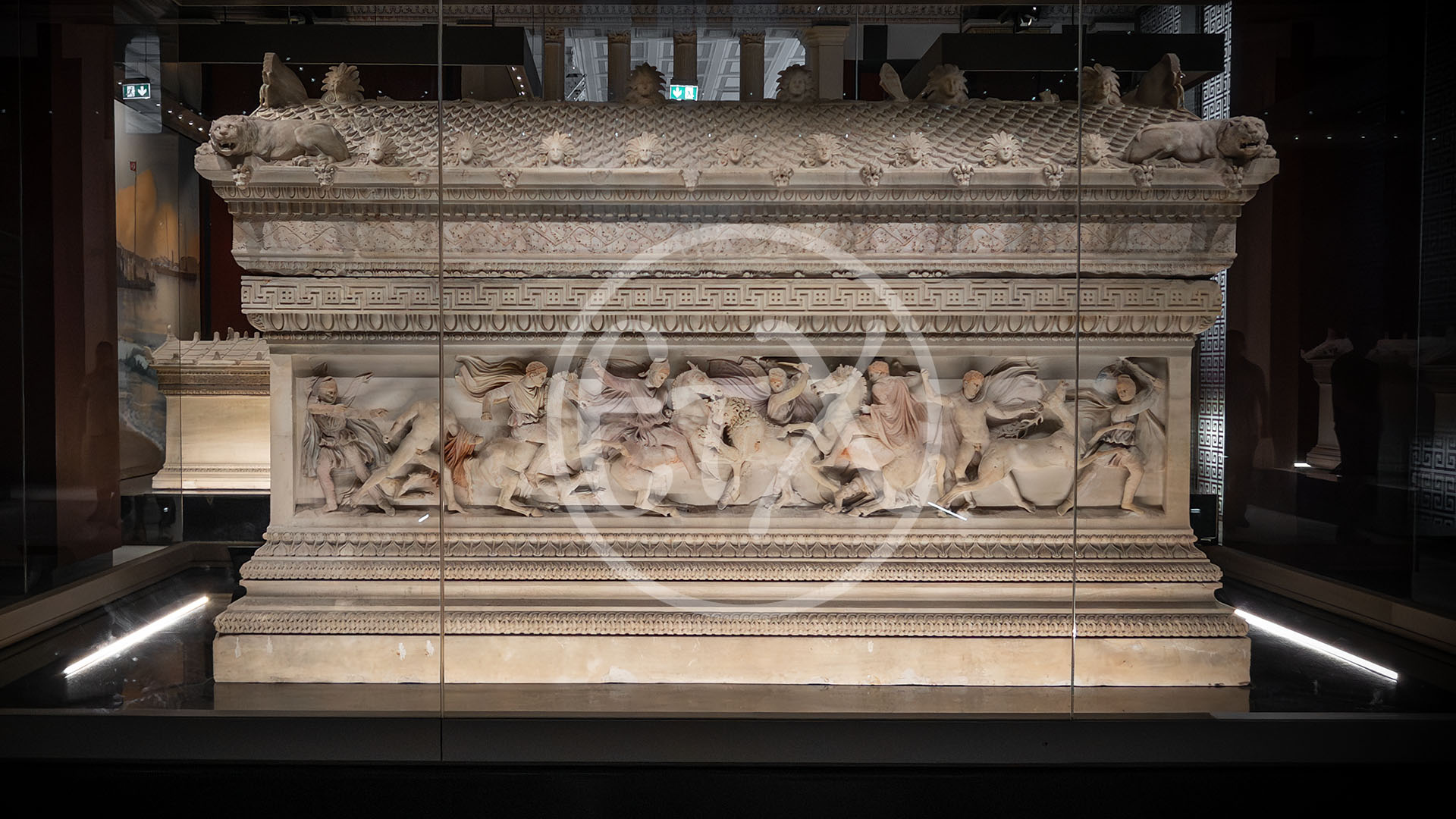
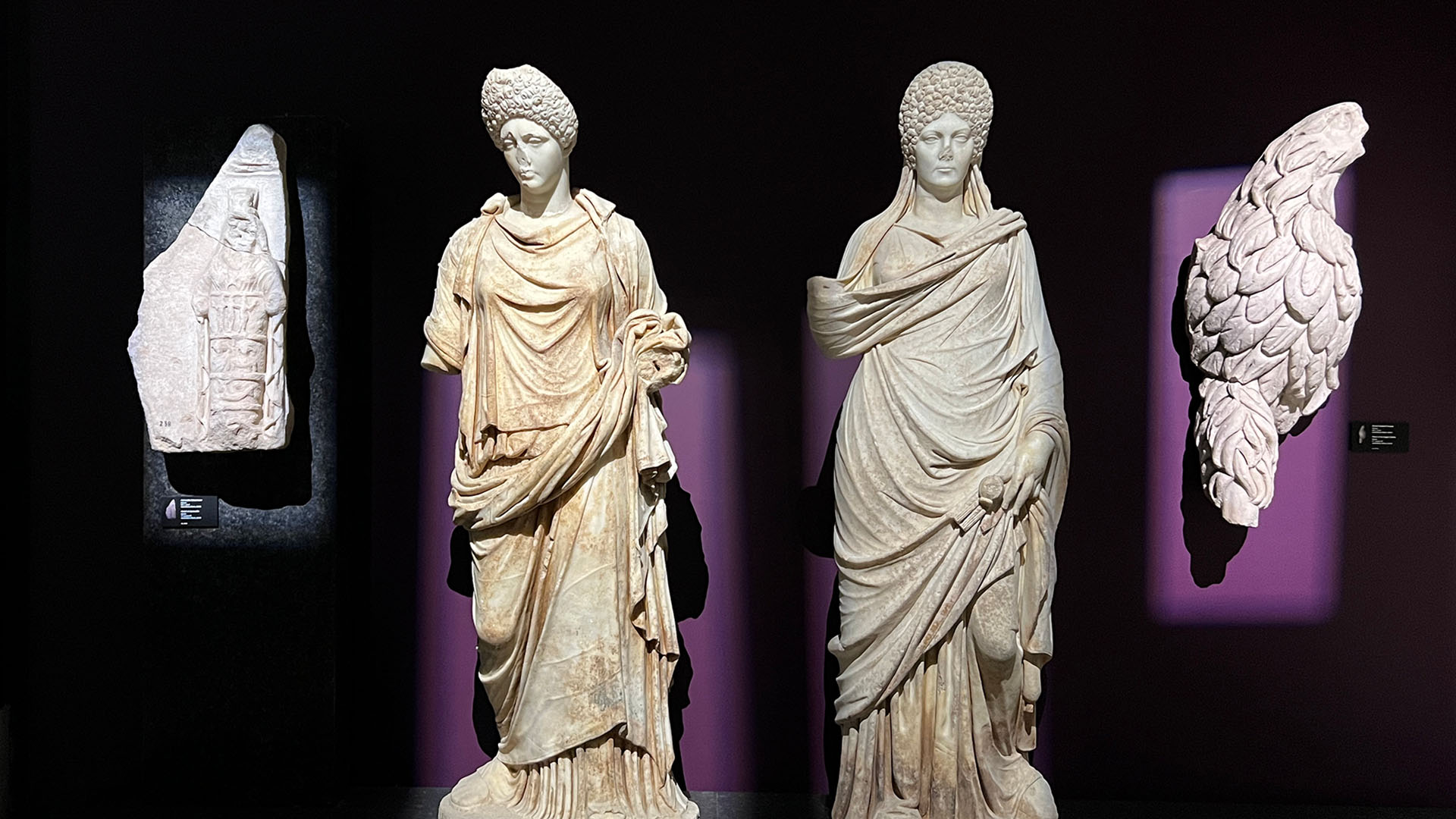
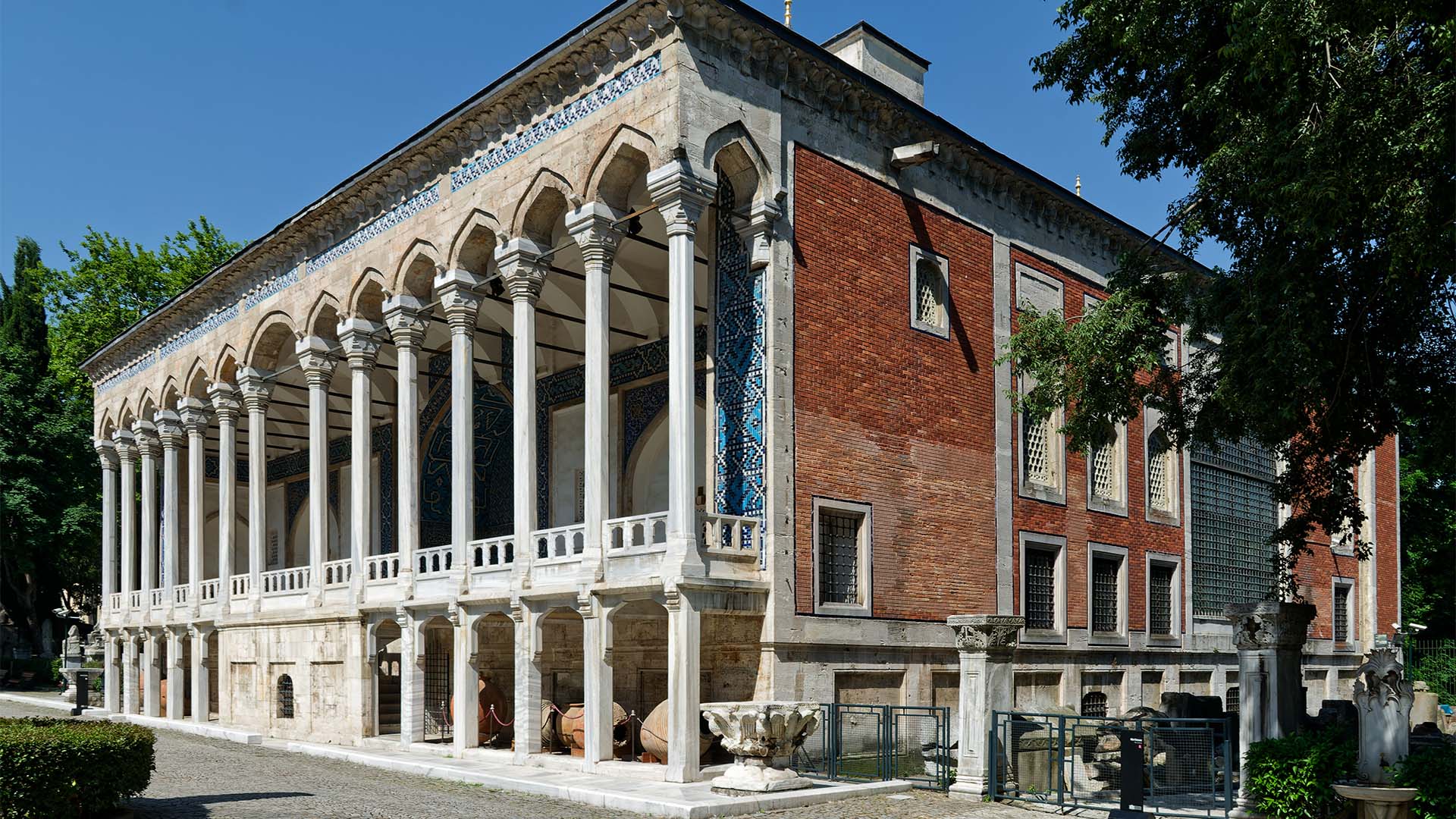
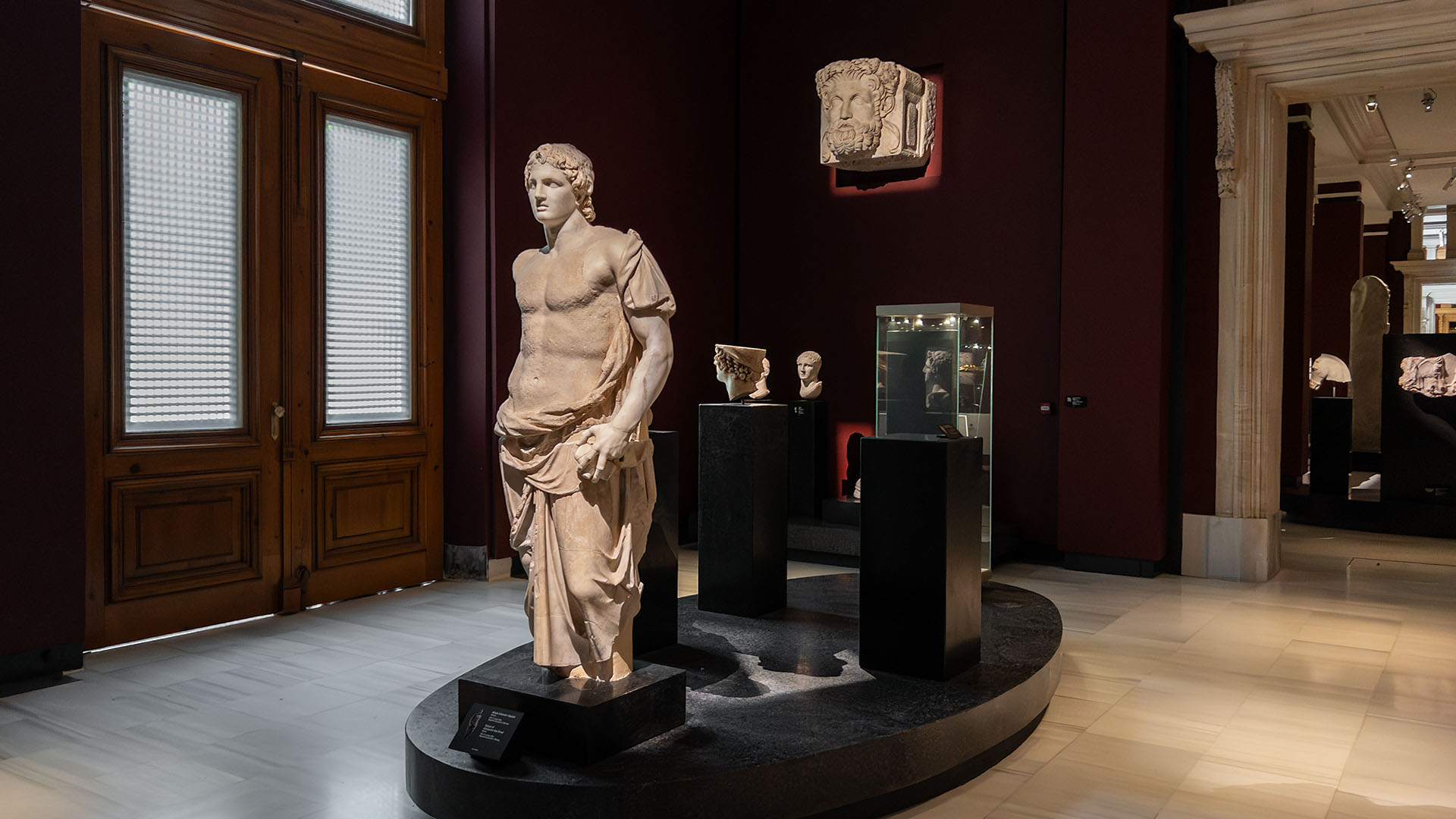
- Istanbul Archaeology Museum: Home to the sarcophagi of Alexander the Great’s era.